

In recent years, as student migration worldwide has increased, students are weighing their options between global education powerhouses such as Study in China or Europe, and the US. In 2026, with economic and policy changes, choosing a study migration destination will involve evaluating the quality of education, affordability, cultural fit, and long-term career prospects.
Choosing between Study in China or America, or Germany for your degree comes down to three main factors: budget (China is cheaper, Germany is free, the US is expensive), career goals (Asia, Europe, or the global market), and desired lifestyle. Below, we compare these three destinations in terms of cost, educational quality, and job opportunities in 2026. Join us in this article from the Admission Institute series as we examine Chinese universities vs. European ones.
Comparative table of Study in China or Europe, and America
The table below helps you compare the pros and cons of Study in China or Europe, and the United States at a glance.
| Key criteria | America | Europe | China |
| Annual budget (approximate) | $40,000 to $80,000 | 5,000 to 20,000 euros | $5,000 to $10,000 |
| The best option for fields | Management, Law, Medicine, STEM , Technology | Engineering (Automotive/Mechanical), Art, Basic Sciences | Business, AI , Engineering, International Technology |
| Target labor market | Global/North America (high starting salary) | Local/European (job stability and work-life balance) | Regional/Asia (rapid growth in emerging markets) |
| Lifestyle | Fast-paced, individualistic, competitive | Calm, law-abiding, high travel opportunities | Community-based, structured, cultural immersion experience |
| The most important challenge | High cost and work visa | Language barriers and administrative bureaucracy | Internet restrictions and initial isolation |
Last updated: 2/24/2026

Quality of education and university ranking in China vs. Europe and America
The quality of education is often measured by university rankings, which reflect research output, faculty expertise, and global reputation. Students looking to study in China or Europe often consider these rankings reliable benchmarks.
In 2026, the United States continues to lead the world in terms of higher education rankings, but China is quickly establishing itself as a top study destination. Europe has also maintained its stability over the years through diverse and specialized educational institutions. Below, we examine the rankings of universities in each of the three countries by educational quality.
1. Study in China or America: America
The QS World University Rankings 2026 have the Massachusetts Institute of Technology (MIT) at the top, followed by Imperial College London and Stanford University. Harvard University and Caltech complete the top five, demonstrating America’s strength in innovation and STEM disciplines.
2. Europe
The top European universities in the world university rankings include the University of Oxford (4th) and the University of Cambridge (5th), while ETH Zurich ranks 7th, showcasing Switzerland’s engineering prowess. The rankings highlight the US and Europe’s superiority in employability and international faculty.
3. Study in China or Europe: China
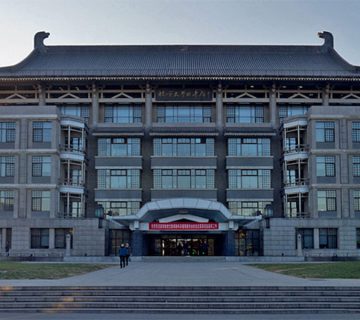
China’s progress in international rankings has been remarkable in recent years. China’s Tsinghua University isranked 12th in the Times Higher Education (THE) World University Rankings 2026, while China’s Peking University is ranked 13th. Five Chinese universities are now in the THE top 40, a significant improvement from three last year, driven by huge investments in research.
Chinese universities vs. European ones, such as Shanghai Fudan University and Zhejiang University in Hangzhou, excel in engineering and technology, often outperforming average European universities in research citations. However, the supportive environment of European cooperation, seen in programs such as Erasmus, fosters interdisciplinary skills that Chinese institutions continue to develop.
For students focused on employment, degrees from American universities are highly valued in global job markets. However, degrees from Chinese universities are gaining value in Asia’s emerging economies. European degrees, especially from Germany or France, emphasize academic training and are ideal for fields such as automotive engineering or business. The final decision on whether to study in China or Europe depends on the applicants’ preferences.

Cost of studying and living in China, Europe, and America
Affordability makes a big difference in whether you Study in China or America, or Europe. In 2026, rising costs in the US will be offset by affordable options in China and parts of Europe. Below, we compare the cost of studying in China with that in Europe and the US.
1. University tuition fees in America’s
According to EducationUSA, tuition for international students in the United States averages $20,000 to $45,000 per year at public universities and more than $50,000 at private universities. Living expenses add $1,000 to $2,000 per month to these costs. The cost of living for a student in cities like New York and California can exceed $3,000, driven by high housing costs ($1,200 to $3,500) and food costs ($300 to $500). The total cost of education per year, including tuition, is $40,000 to $80,000.
2. University tuition fees in Europe
The choice between studying in China or Europe also depends on the cost of education. Tuition fees vary widely across Europe. Public universities in Germany are free for international students and only charge a semester fee of 150-300 euros. The cost of studying in the UK is typically 10,000-25,000 pounds, while at public universities in France it is 170-650 euros.
Living costs in cities like Berlin or Paris range from 800 to 1,200 euros, including accommodation (350 to 700 euros), food (200 to 300 euros), etc. The cost of studying in Europe varies from 5,000 to 20,000 euros per year, depending on the country and type of university.
3. University tuition fees in China
China stands out among European and American countries in terms of tuition fees. Tuition fees in China range from $1,000 to $5,000 per year, depending on the field, level, and type of university. Tuition fees at top Chinese universities, such as Peking University, are $3,000 to $4,000.
The cost of living for a student in China ranges from $300 to $500 per month in Beijing or Shanghai. This includes accommodation ($100-$200) and food ($150). The average cost of studying in China is $5,000 to $10,000 per year, which is 80% cheaper than in the US.
The affordable cost of living and studying in China allows students to graduate without financial worries, while the high costs in the US and Europe can put pressure on students.

Scholarship Opportunities Financial: Which country is more suitable?
Scholarships can offset a significant portion of the tuition and living expenses for international students Study in China or Europe, or the United States. Below, we will examine scholarships in China, the United States, and Europe:
1. China Scholarship
The Chinese Government Scholarship (CSC) covers tuition fees, a living allowance (2,500-3,500 yuan per month, depending on the program), and insurance for students. China Scholarships, such as the CSC High-Level Graduate Program, are targeted at international students at Tsinghua or Beijing. This scholarship is a good option for STEM students from developing countries. In addition, government, provincial, university, and merit-based scholarships are offered to international students in China, depending on the conditions.
2. American Scholarship
The Fulbright US Student Program is offered to undergraduate and doctoral students and covers tuition and living expenses ($2,000 per month). Many US universities also offer scholarships and grants based on academic performance. However, competition for scholarships is high and requires a timely application and academic merit.
3. European Scholarship
One of the most prominent European scholarships is the Erasmus Mundus Joint Master’s, which provides €1,000 per month in addition to tuition fees. The DAAD scholarship in Germany offers €934 per month to postgraduate students. These scholarships reduce financial barriers for international students and allow them to study without worries.
Student life and study culture in China, Europe, and America
Student life is one aspect of academic migration that extends the educational experience beyond the classroom, encompassing daily routines, social interactions, extracurricular activities, and cultural adaptation. Each region offers a different lifestyle, which can affect a student’s overall satisfaction with Study in China or Europe, or the US. Here’s a look at student life in these three countries:
1. Student life in China
Student life in China is usually structured and community-oriented. Many international students live in student dormitories, which are inexpensive (around $100-$200 per month) and often have shared facilities such as a kitchen, gym, and study room. The daily routine often begins with morning classes, followed by lunch at the university cafeteria (which offers a variety of inexpensive meals), and the afternoon is devoted to studying or participating in group activities.
Extracurricular activities include language clubs, traditional sports such as tai chi, Chinese cultural festivals (such as the Spring Festival or Mid-Autumn Festival), and group trips to historical sites. Students often participate in group projects and have long study hours. However, culture shock is common for students in this country. Language barriers (even with English classes, everyday interactions require knowledge of Mandarin), internet restrictions, dietary differences, and, sometimes, a sense of isolation due to cultural differences are among the culture shocks.
Many students report that after a few months, they feel a greater sense of belonging as they learn the language and make international friends. Cities like Beijing, Shanghai, or Hangzhou offer a vibrant life with excellent public transportation, parks, and opportunities to explore ancient and modern culture. Still, air pollution can be challenging in some seasons.

2. Student life in America
American universities often have large campuses with state-of-the-art facilities, student clubs, cultural events, concerts, and intercollegiate sports. The daily routine of student life may include classes, part-time on-campus work, attending parties, playing sports, or volunteering. American culture emphasizes individualism, initiative, and networking. Students often speak out, have their ideas challenged, and have many leadership opportunities.
Cities like New York or Los Angeles are culturally diverse and have plenty of internship opportunities at large companies. However, the high costs ($1,500-$3,000 per month) can be a financial burden and cause stress. Homesickness, the pressure of intense academic competition, and sometimes a feeling of being unknown in a large crowd are also common among American students. However, the variety and freedom to choose activities provide a rich and personal growth experience. International students in the United States report that OPT is the most important route into the job market.
3. Student life in Europe
When choosing to study in China or Europe, be aware that in Europe, student life emphasizes work-life balance. Students often live in shared apartments or affordable dormitories and have more freedom to travel (e.g., cheap trains like Eurail). The daily routine of student life in Europe includes classes, studying in public libraries, and social activities such as picnics or visiting museums.
European culture emphasizes independence, quality of life, and social justice. Students often work fewer hours and spend more time on personal interests. Cities like Berlin, Paris, or Barcelona offer a multicultural atmosphere, festivals, and easy access to neighboring countries.
However, complicated registration or visa procedures can be frustrating for some students, and language barriers can be a problem in some countries. Students report that this more relaxed lifestyle helps reduce stress, but they sometimes feel a lack of academic structure. According to the experience of international students at the Technical University of Munich, finding a job after graduation, especially in engineering, usually takes 3 to 6 months.
Advantages and disadvantages of Study in China or Europe, and America
Study in China or Europe, or the US has its own unique advantages and disadvantages that shape the student experience and life. Below, we will examine the advantages and disadvantages of each of these popular study migration destinations:
1. Advantages and disadvantages of studying in China
The extremely low cost of studying and living in China (often 80% cheaper than in the West) makes it possible to graduate without financial worries. Rapid economic growth and a focus on emerging technologies such as artificial intelligence, e-commerce, and renewable energy, which create excellent job opportunities in Asia, are among the advantages of studying in China. Learning Mandarin and understanding Chinese culture provides a huge competitive advantage in the global job market, especially for working with Asian multinational companies.
Deep cultural immersion increases students’ confidence and independence, and builds diverse international networks. Many students report that the China experience has changed their worldview and prepared them for future careers. However, Study in China or Europe, or the US also has its own unique disadvantages. Some of the disadvantages of studying in China include:
- Internet restrictions and access to some global platforms
- Air quality problems in big cities
- Severe language barriers to everyday life
- Social isolation
- Cultural differences
- Low recognition of university degrees outside Asia
Based on the direct experience of international students at Tsinghua, many have reported experiencing internet restrictions and language barriers in the first few months. Still, after 3 to 6 months, they can use local apps like WeChat and engage in basic learning. In Mandarin, compatibility increases significantly.

2. Advantages and disadvantages of studying in America
Access to the world’s top innovation ecosystems (such as Silicon Valley), extensive networking through powerful alums, and internship/career opportunities at leading companies are among the benefits of studying in the US. According to the QS Graduate Employability Rankings, over 65% of the Top 50 Employability universities are located in the US, increasing your chances of employment at Fortune 500 companies. Cultural diversity, freedom of expression, and leadership opportunities create significant personal development opportunities.
However, like other countries, Study in China or America has its own unique disadvantages. The disadvantages of studying in the US include very high costs, visa uncertainty (such as changes to the OPT and H-1B), competition in the job market, and the psychological stress of a fast-paced lifestyle.
3. Advantages and disadvantages of studying in Europe
Education is often free or very cheap (especially in Germany and Northern France), work-life balance and generous vacations, easy mobility within the EU for work and travel, etc. The benefits of studying in Europe are. Post-study work visas provide clear pathways for students to remain in the country.
The more relaxed lifestyle, high quality of life, and multicultural networks make for a balanced and enjoyable experience. However, language barriers in some countries, complicated visa and registration processes, variable quality across countries, and sometimes a lack of job opportunities are among the disadvantages of studying in Europe.
Conclusion
The choice Study in China or Europe, or the US depends more on students’ personal preferences, career goals, and financial circumstances. With very low tuition fees, generous scholarships, and the rapid growth of top universities, Chinese universities are an ideal option for students on a budget compared to those in Europe and the US. Studying in China is a good option for students looking to enter the dynamic Asian job market, especially in technology, artificial intelligence, and e-commerce.
None of these countries is the absolute best for study abroad; each has its own unique advantages and disadvantages. By doing your research, aligning your choice with your long-term goals, and being prepared for the cultural challenges, you can have a transformative experience. For more information and expert advice, contact our consultants.
1. Which destination is more affordable to study in: China, Europe, or America?
China is considered the most affordable option. Tuition fees range from $1,000 to $5,000 per year, and living expenses range from $300 to $500 per month. These costs are about 80 percent cheaper than in the United States and often less than in many European countries. Generous scholarships in China cover a significant portion of these costs.
2. How do scholarship opportunities in China compare to those in Europe and America?
China offers very accessible and comprehensive scholarships, such as those from the China Scholarship Council (CSC), which cover tuition, accommodation, a monthly stipend, and insurance. This scholarship is ideal for STEM students from developing countries. Scholarships in Europe often cover partial costs, and scholarships in the US are highly competitive.
3. Between Europe, America, and China, which one provides long-term job opportunities?
It depends on the students’ long-term goals. The US stands out for its global reputation, innovation, and high income in the technology and financial sectors. China offers significant regional advantages, including rapid growth in booming parts of Asia and Mandarin proficiency. Europe is well-suited for sustainable careers, with strong work-life balance, mobility within the EU, and robust practical training (such as the German job-search visa).



No comment