Best Student Cities in China 2025: Cost of Living, Universities, and Student Lifestyle Compared
For many international students, study in China is no longer a question of educational quality — it is a question of choosing the right city. With tuition fees and living costs varying widely between Beijing, Shanghai, and smaller cities like Chengdu or Nanjing, the decision directly affects both academic experience and long-term affordability. Student cities in China offer a unique combination of globally ranked universities, expanding English-taught programs, and relatively low living expenses, but each student city presents a very different lifestyle, cost structure, and career outlook. This article from admission institute summarizes verified data on universities, cost of living in China for students, and student lifestyle in China, enabling students to compare cities objectively.
Best Chinese Cities to Pursue Education
The student cities in China are known for the excellence of the education offered, the culture, and the amenities. Based on the QS Best Student Cities 2026 rankings, the best destinations for students are those found in Beijing and Shanghai. Other popular destinations include Guangzhou, Chengdu, Nanjing, Wuhan, and Hangzhou, which offer relatively cheaper education. Below, the major destinations are described.
| City |
QS Student City Rank 2026 |
Top Universities |
Best Fields of Study |
Average Monthly Cost (USD) |
Lifestyle & Student Experience |
Best For |
| Beijing |
13 (Score: 89.7) |
Tsinghua University, Peking University |
Computer Science, Engineering, AI, International Relations |
850–1,000 |
Fast-paced academic environment, rich cultural heritage, strong job market |
Students seeking top-ranked universities and career opportunities |
| Shanghai |
27 (Score: 83.9) |
Fudan University, Shanghai Jiao Tong University |
Finance, Economics, MBA, Engineering |
900–1,000 |
Highly international, modern city life, strong internship exposure |
Business-oriented and career-focused students |
| Guangzhou |
Not Top Tier |
Sun Yat-sen University, South China University of Technology |
Medicine, Engineering, Business |
650–800 |
Warm climate, diverse international community, Cantonese culture |
Students seeking affordability with quality education |
| Chengdu |
146 |
Sichuan University |
Biology, Environmental Sciences, Technology |
550–750 |
Relaxed lifestyle, panda culture, low living costs |
Budget-conscious students and those preferring a calm environment |
| Nanjing |
Top 100 (University Ranking) |
Nanjing University |
Humanities, Sciences, Chinese Language |
600–800 |
Historic atmosphere, student-friendly, less crowded |
Language learners and humanities students |
| Wuhan |
— |
Wuhan University |
Biotechnology, Logistics, Sciences |
550–700 |
Green campuses, active local markets, low costs |
Science students seeking affordable education |
| Hangzhou |
— |
Zhejiang University |
E-commerce, IT, Innovation |
650–850 |
Scenic environment, tech-driven, balanced lifestyle |
Tech and entrepreneurship-focused students |
Updated 12/20/2025
Choosing the right student city in China depends largely on academic goals, budget, and lifestyle preferences. While Beijing and Shanghai dominate in global rankings and career exposure, cities like Chengdu and Wuhan offer a more affordable and relaxed study experience without compromising educational quality.
1. Beijing, the Academic Giant
Beijing, the Chinese capital city, takes the 13th position globally in the QS Best Student Cities 2026 ranking with a score of 89.7. The city is famous for having top universities such as Tsinghua University beijing (which is globally top-ranked in science and technology) and Peking University. Beijing is widely regarded as China’s academic center due to the concentration of top-ranked universities and research institutions. Student activities flourish in the presence of cultural landmarks such as the Forbidden City and the Great Wall of China, giving students periodic respite from academic activities. Modern facilities range from fast-speed subway systems and innovation hubs in Zhongguancun, nicknamed “China’s Silicon Valley.” Beijing’s appeal score of 58, with a high employer activity score of 90.2, portends bright economic futures after graduation. For art lovers, the Central Academy of Drama provides arts programs.
Nevertheless, the pace of life to study in Beijing universities might be quite challenging, especially considering that the winters are quite cold. Nevertheless, the affordability index of 76 out of 100 in Beijing makes it feasible for students to study there. Beijing is academically superior, but for language learners, Hangzhou often provides a less intimidating environment. International students in Beijing benefit from access to top-ranked universities such as Tsinghua and Peking. While living costs are higher than in smaller cities, students often gain hands-on experience through internships in Zhongguancun, China’s tech hub, enhancing career prospects in technology and business sectors.
2. Shanghai: The Cosmopolitan Hub
The number 27 ranking in the world for an overall score of 83.9 makes it suitable for finance and economic students. The top institutions in this Chinese city are Fudan University and Shanghai Jiao Tong University; these institutions offer English-speaking MBAs and engineering courses. The international student diversity score of 55.8 is indicated in this city.
The city pulses with life in high-rise buildings, the Bund along the waterfront, and nightlife. Affordable street foods are enjoyed by students. The appeal of Shanghai (58.5) lies in its trendy ambiance and activities such as the Shanghai International Film Festival. Employee engagement with the company is high (79.5). The affordability score (68.9) is slightly lower than Beijing because of increased accommodation costs, though scholarships are provided.
3. Guangzhou: The Southern Gateway
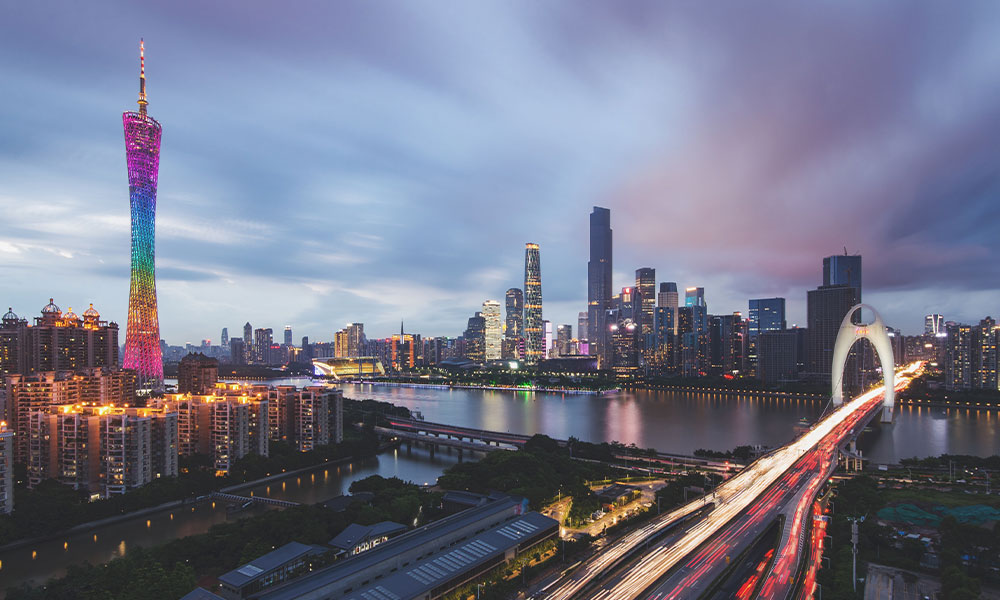
Guangzhou, in southern China, is an emergent student city with a pleasant climate and easy access to Hong Kong. It includes two of China’s best universities: Sun Yat-sen University and South China University of Technology, with outstanding programs in medicine and engineering. Its cost of living index is 35.8, making it relatively inexpensive compared to the megapolises up north. Study in Guangzhou universities is a unique learning experience in a cutting edge and affordable environment.
The students appreciate Cantonese food, as well as public places like Yuexiu Park. The ease of access to Southeast Asia is also an advantage. The international atmosphere, which is offered through being a destination for students from Africa as well as Asia, ensures diversity. It may not be in the QS top institutions, but innovation is suitable for business courses. Guangzhou combines affordable education with a warm climate and rich Cantonese culture. Students report that universities like Sun Yat-sen provide strong programs in medicine and engineering, while the city’s diverse international community fosters cross-cultural interactions.
4. Chengdu, The Relaxed Innovator
Chengdu is placed 146 in the QS Ranking 2026, marking its entry in the ranking due to the presence of institutions such as Sichuan University of Chengdu in the areas of biology and environment. It has a laid-back lifestyle compared to Beijing, famous for pandas and Szechuan hot pots.
Cost of living index is 27.8, so the cost of living is affordable. Facilities available for the students include the teahouse culture, hiking in the surrounding mountains, and tech incubators. The cost of living, along with increasing company activity, makes it an attractive settlement option. Students studying in Chengdu often report spending 30–40% less on daily expenses compared to Beijing. Chengdu is popular among students seeking a relaxed lifestyle and lower living expenses, with daily costs reported to be 30–40% lower than in Beijing. The city offers access to local culture, teahouses, and outdoor activities, supporting a balanced student life.
5. Nanjing: the Haven for Historical
Nanjing, home to the world-class Nanjing University of China (ranked among the top 100), combines its rich history with intellectual pursuits.
For those wanting affordability and a student-friendly atmosphere with fewer crowds compared to Shanghai, this city offers the perfect blend. It has become a center for Chinese language courses. Nanjing offers a quieter study environment compared to Tier 1 cities, making it suitable for focused learning in Chinese language and Humanities. Historical landmarks throughout the city serve as cultural enrichment opportunities outside of academic activities.
6. Wuhan: “The Central Bloom”
Wuhan University of China, is renowned for its campus. Biotech education is also offered. The cost of living is low. Markets are active.
7. Hangzhou
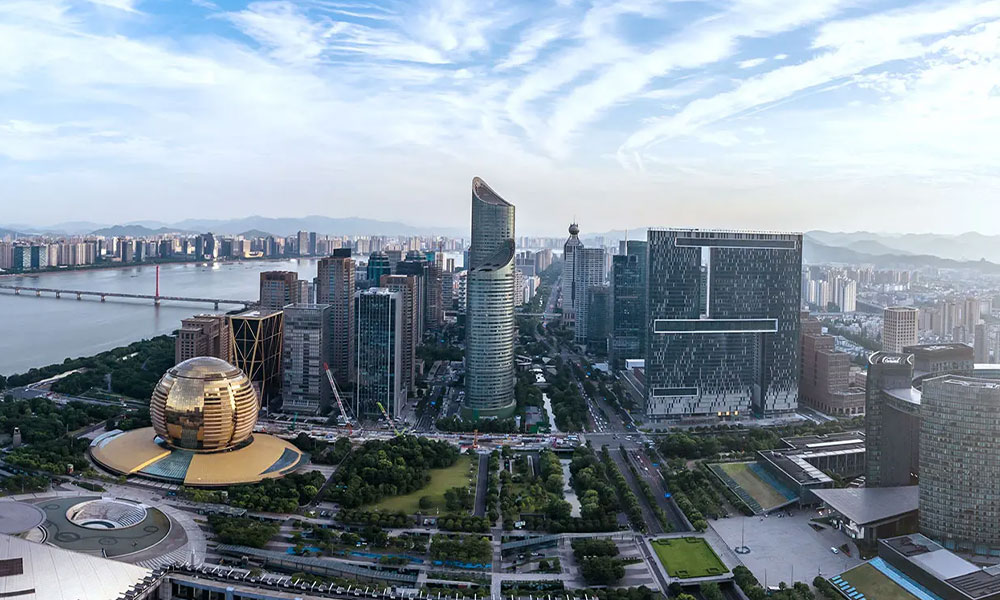
Hangzhou has Zhejiang University of Hangzhou and Alibaba head offices. It’s very good in e-commerce and information technology. West Lake provides serene environments ideal for keeping students balanced.
Cost of Living for Students in China
One of the attractions of studying in student cities in China is that the cost of living for a student is relatively inexpensive when compared with the US or Europe. The average cost of living in China for students per month (not including rent) amounts to 3,504.7 CNY (approximately 424.8 EUR). This includes food, transportation, and other services.
Monthly living expenses for students range from 550 USD in smaller cities like Chengdu to 1,000 USD in Tier-1 cities such as Beijing and Shanghai. This includes accommodation, food, transport, and utilities. Students should budget around 9,000 USD per year for a comfortable lifestyle, including tuition fees.The cost of food is low; for a meal from a local restaurant, the cost is 20 CNY, food items such as rice (1kg), which costs 6.61 CNY, and eggs (dozen), priced at 11.08 CNY.
Transport costs are as follows: The cost for a single ticket is 2 CNY, and the monthly pass costs 150 CNY.
City-specific:
- In Shanghai, one-bedroom in city center will cost 2,960.78 CNY; in Beijing, similar prices with higher indices.
- Guangzhou and Chengdu come in lower (13.2 and 9.1 indices).
- Leisure such as coffee (22 CNY) or movies (45 CNY) is relatively inexpensive.
Budgeting 9,000 USD per year will be sufficient for all expenses, including fees
Conclusion
Thus, student cities in China represent a combination of high-quality education, diverse culture, and surprising cost-effectiveness. Various major cities, such as Beijing, Shanghai, Guangzhou, or Chengdu, offer students diverse learning environments, exciting lives, and sound career opportunities for prices that would be extremely high, or even prohibitive, by Western standards. With the average monthly cost for students’ living expenses, including dormitories, food, and public transport, being between 4,000 and 6,000 RMB, the cost of living in China for students remains remarkably low in 2025. If you are interested in studying in China, contact us for additional information and expertise consultation.