Why Study Medicine in China?
Prospective students should consider tuition, global recognition, and preparation for licensing exams before choosing to study medicine in China. In the past years, China has spent billions of dollars in building healthcare infrastructure and medical university reforms in such areas as telemedicine and genomics. According to recent sources, over 10,000 overseas students join Chinese medical institutions every year due to their medical courses, all delivered in the English language, approved by the World Health Organization (WHO). For most international students, the real question is not why China invests in medical education, but whether a study medicine in China is affordable, globally recognized, and practical for licensing exams such as USMLE, PLAB, or FMGE. This guide from admission institute addresses those concerns with up-to-date cost of study medicine in China, admission criteria, and China medicine scholarships options for 2025–2026.

Understanding MBBS in China
Essentially, though, the MBBS (Bachelor of Medicine, Bachelor of Surgery) offered in China follows the same format familiar to most international medical students: it’s a six-year course comprising five years of studies followed by an obligatory one-year internship. This format ensures that a new medical practitioner not only possesses theoretical expertise but also the practical acumen necessary for immediate applicability in the field. How does the Chinese medicine program differ from the rest? Chinese MBBS programs uniquely integrate Western evidence-based medicine with Traditional Chinese Medicine approaches, such as acupuncture and herbal pharmacology, providing students with cross- disciplinary competencies rarely found in Western curricula. In the intake class of 2025, the universities are preparing with better facilities—in state-of-the-art simulation labs and affiliations with hospitals seeing millions of cases a year. The courses include necessary topics such as anatomy, pharmacology, and pathology in the first years, then moving on to focused rotations for specialties of surgery, pediatrics, and internal medicine. English-speaking medium classes ensure a lack of language issues, though many teach introductory Mandarin for patient communication to achieve cultural submersion without burying the newcomers.
Best Universities to Study Medicine in China
Leading schools are at the forefront. Take, for example, the health science centers of Peking University, whose alumni are found in leading hospitals worldwide and whose output in research is comparative to the Ivy League schools. Fudan University of Shanghai Medical College incorporates AI-based diagnosis into their curriculum. There’s also China Medical University in Shenyang, famous for their programs along the Silk Road regarding international student exchange programs. These schools are far from being aloof ivy towers; instead, innovation hubs, being ranked in the top 200 in clinical medicine globally.
Admission Requirements To study MBBS in China
The admission, though competitive, is surprisingly clear-cut, especially when considered alongside the more confusing systems used in many Western institutions. Admission requirements to study in China include:
- Age: 18–25
- High school diploma with 60–70% in Physics, Chemistry, Biology
- NEET-UG score for Indian students
- English proficiency (IELTS/TOEFL)
- Health clearance and clean criminal record
Proficiency in English, demonstrated through IELTS or TOEFL score, a satisfactory health check, and a crime-free record, all come as prerequisites. The application period commences as soon as March, after June 30, when September intake is considered; you have ample time to work on your personal statement, arguing your burning interest in pursuing a career in medicine.
Cost of Study Medicine in China
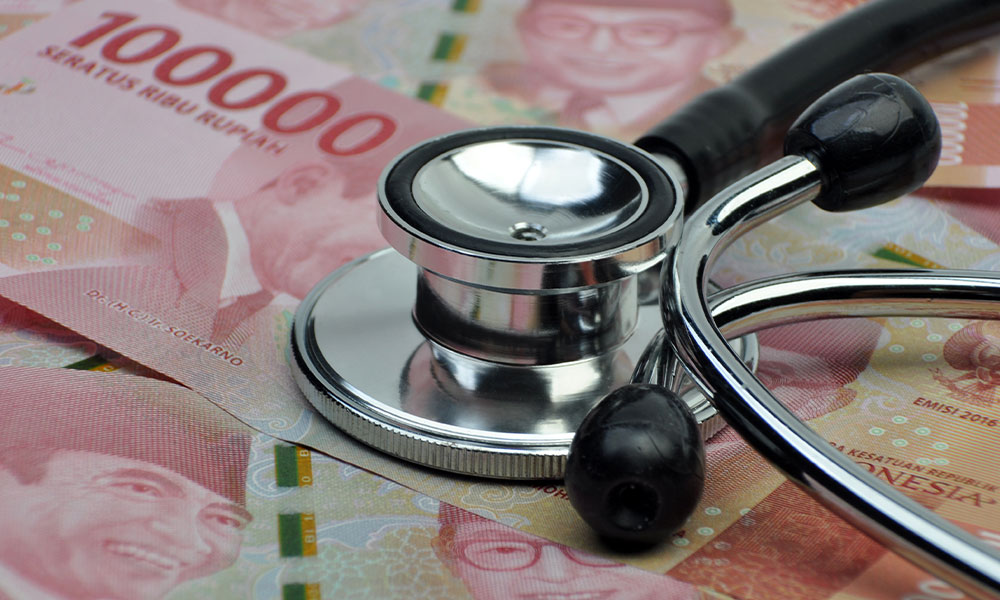
However, one of the strongest reasons to study medicine in China is its wallet-friendly nature. Today, where an MD in the US can potentially load down its new graduates with $200,000 in loans, the Chinese system turns the page on its head. Looking at it in detail, the tuition fee in China to pursue a six-year medicine course is a mere 200,000 to 400,000 RMB (28,000 to 56,000 USD).
| Cost Category |
Annual Amount (RMB) |
Annual Amount (USD approx.) |
Notes/ Total For 6 Years |
| Tuition Fees |
20.000-45.000 |
2.800-6.300 |
Varies by university prestige; lower at provincial schools |
| Accommodation (on campus dorm/apartment) |
4.000-10.000 |
550-1.400 |
Usually shared; includes utilities and Wi-Fi |
| Mandatory Health Insurance |
800 |
110 |
Comprehensive coverage required for visa |
| Books, Lab Fees & Miscellaneous |
Often included in tuition or 2.000-5.000 |
280-700 |
Many universities bundle these |
| Total Annual cot |
37.600-84.800 |
5.300-11.900 |
Exclude one-time fees |
| Total for 6-year program |
200.000-400.000 |
28.000-56.000 |
Significantly lower than Western equivalents |
Updated 12/18/2025
1. Tuition Fees
Tuition makes up the lion’s share of costs of study in China and costs between 20,000 and 45,000 RMB per year (approximately $2,800 to $6,300), depending on the rank and location of the university.
Other costs like living arrangements are another bargain and range between 4,000 and 10,000 RMB per year (approximately $570 to $1,430) for shared dorms or university-provided housing.
2. Living Expenses
When thinking about living costs in China, you have to factor in 1,000 to 2,000 RMB per month (approximately $140 to $280) for food and “enjoy steaming dumplings sold on street stalls and stir-fry meals.” Transport costs are taken care of by “efficient subway systems.” Enjoy “periodic indulgences in bubble tea.” Any health issues are covered by “compulsory and comprehensive health insurance” of 800 RMB per year (approximately $110).
3. Additional Costs
Some colleges package textbook and laboratory costs into tuition, and part-time student work, such as English tutoring, can repay tuition. As context, a one-year tuition in China is 30,000 RMB, compared to 100,000 RMB+ in the UK. Financially, it is worth saving for visa costs, which are about 500 RMB, and a one-way plane ticket, which varies by country of origin, about 5,000-15,000 RMB for South Asia.
Of course, prices vary according to inflation and exchange rates, but forecasts for 2025 include a small 5% increase in metropolitan cities such as Shanghai. Astute applicants look for reduced prices for early birds or government subsidies, making obstacles into afterthoughts.
China Medicine Scholarship
The Chinese Government Scholarship (CSC) is the most comprehensive funding option, covering full tuition, on-campus accommodation, basic medical insurance, and a monthly stipend of 2,500 RMB for undergraduate students. Competition is high, with acceptance rates around 20–30%. Eligibility criteria? Wide but merit-based: Foreigners under 25 years old for MBBS, excellent academic records (top 10% in schools), and devotion to China-friendly relations. Applications follow the designated Study in China website, where the student needs recommendation letters, a study plan, and possibly an interview. Application deadlines for the 2025-2026 academic years? December 31st, 2025, so set a reminder. The acceptance rate is a mere 20 to 30% for medical schools, although countries that belong to the Belt and Road Initiative have a much higher acceptance rate.
One requires strategy: adjust these essays to the Chinese vision of global health, such as the collaboration to combat pandemics. The award winners have stories of final-minute preparation that resulted not only in funding but also the launching of their entire professional lives. A world where the funded are the ones who are often provided the opportunity is balanced by the China medicine award because excellence is borders-blind.
Potential Challenges of Studying Medicine in China
Despite its advantages, studying medicine in China is not without challenges. Clinical exposure in English may be limited in some hospitals, requiring basic Mandarin proficiency. Additionally, graduates must pass licensing exams in their home countries, and success rates depend largely on self-preparation rather than university support. Students seeking extensive English-only clinical exposure, those unwilling to learn basic Mandarin, or applicants aiming for immediate residency placement in the US or UK may find MBBS programs in China less suitable without additional preparation.

Beyond the Books: Life, Culture, and Career Horizons
From an academic perspective, student life in Chinese medical universities is intensive. Clinical rotations often begin as early as 6:30 a.m., particularly in teaching hospitals affiliated with top-tier universities. Most international students report that workload and assessment frequency are comparable to Eastern European MBBS programs rather than Western medical schools.
Issues are present, from homesickness to changes in diet, but the More supportive networks than one could ask for are in place, from counseling at the International Offices to tools such as WeChat, which fills any gaps that might remain in a patient’s native country. Mandarin language classes, also often free, go a long way in
After graduation? WHO recognition of the degree allows it to be easily portable worldwide; many also pass PLAB/USMLE/FMGE exams with ease. There’s a stampede to the Middle East for better-paying jobs or back to their own countries as experts. Research opportunities in China also provide routes into PhD programs, while networks in more than 50 countries provide employment networks. One of my remembers is a cardiologist in Dubai who says an internship in Shantou schooled her in dealing with patients.
Essentially, it’s a springboard—a “launchpad,” as it’s also called—where 80% of its graduates are practicing within two years, combining resilience from the East
Conclusion
Study medicine in China is a strategic choice for students seeking an affordable, internationally recognized MBBS degree. However, it is best suited for self-motivated candidates who are prepared for licensing exams and cultural adaptation. Prospective students should evaluate university accreditation, teaching hospital exposure, and post-graduation pathways before applying. The cost of study medicine in China is very reasonable, the infrastructure is top-notch, the program is taught in English, and the availability of scholarships like the Chinese Government Scholarship makes it a Prefect Storm for those interested in pursuing a degree from China. A degree from a Chinese university not only gets recognized by the WHO but the in-depth knowledge of conventional as well as modern medicinal practices from China makes it the right time to kick-start a flattening world of medicine. Prospective students should evaluate university accreditation, hospital affiliations, and scholarship options before applying to ensure alignment with career goals. For additional information about China medicine scholarships and expertise advice, contact our consultants.