

With the world becoming increasingly interconnected, the decision to study abroad has become a crucial milestone that determines not only your future profession but your prospective outlook as well. However, for the majority of international students worldwide, the dream of studying in China has become increasingly popular over the past ten years due to its phenomenal growth and development.
As global education trends evolve, the advantages of study in China become even more pronounced. From academic facilities in China to abundant China scholarships, the country is positioning itself as a hub for ambitious learners. Whether you’re drawn to engineering marvels in Beijing or business insights in Shanghai, studying here equips you with skills that are highly valued in today’s job market.
Let’s delve into the specifics. This article from Admission Institute explores why more students are turning eastward, comparing key aspects such as costs, academic quality, and global recognition. With China’s universities climbing global rankings and offering generous scholarships, 2026 could be an ideal year to embark on this journey.
Cost of Studying in China Compared to Europe and America
One of the most striking advantages of studying in China is affordability, especially when pitted against the soaring costs in Europe and America.
1. Tuition Fees in China
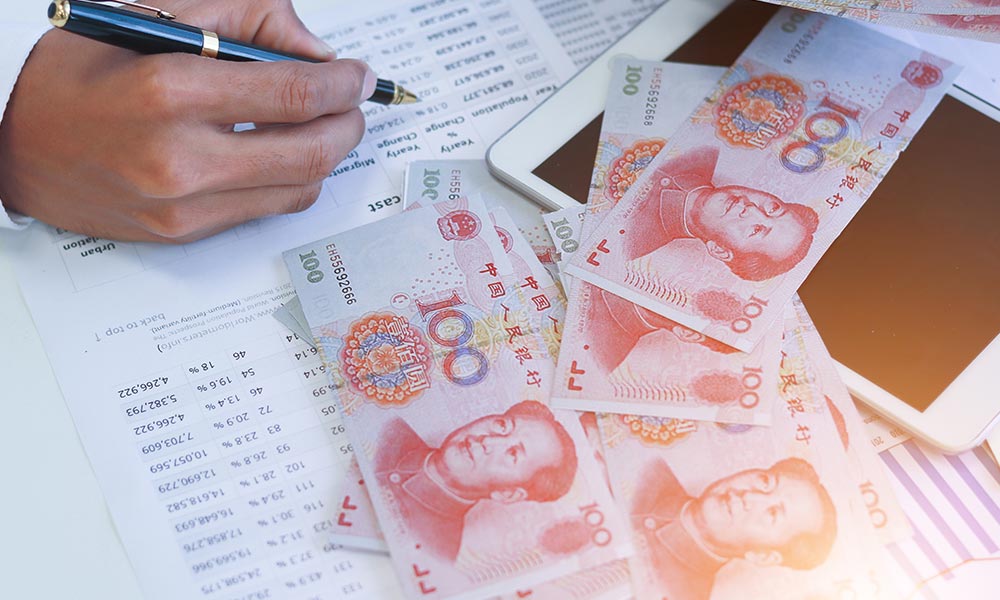
In 2026, international students can expect tuition fees at Chinese universities to range from $2,000 to $10,000 per year for most programs, depending on the institution and field of study. This is a fraction of what you would pay in the U.S., where average annual tuition at public universities hovers around $10,000 for in-state students and up to $38,000 for out-of-state or private ones, not including additional fees.
While countries like Germany offer tuition-free education at public universities, there are hidden costs, such as administrative fees and living expenses, that add up to €10,000–€15,000 annually, not including the competitive entry barriers.
2. Living Costs in China
Living costs further emphasize China’s advantage. For major cities such as Beijing or Shanghai, overall monthly costs for accommodation, food, and transport can range from $500 to $800, including subsidized dorms at roughly $200 to $400 per month and budget street food or campus cafeterias.
Compare these to New York or London, where the rent alone could be over $1,500 a month, pushing up overall costs to $2,000 or more. Even in relatively cheaper European destinations such as Berlin, students often spend €800–€1,200 per month. High-speed trains connecting cities and cashless payment systems mean everyday life in China is efficient and relatively inexpensive.
Observed Student Living Costs in Major Chinese Cities
Based on cost breakdowns from international student housing offices and university dormitory pricing in Beijing and Shanghai, most international students are able to cover accommodation, meals, and transportation within a monthly budget of $500–$800. Subsidized on-campus housing and affordable campus dining significantly reduce daily expenses compared to typical student lifestyles in Western capitals.
3. China Scholarships
Furthermore, China scholarships play a pivotal role in diminishing financial burdens. Programs such as the Chinese Government Scholarship (CSC) can cover full tuition, accommodation, and even a monthly stipend of up to 3,500 RMB (about $500), making education virtually free for top applicants. In contrast, scholarships in the U.S. or Europe are often merit-based and limited, leaving many students reliant on loans.
For example, the average student in the United States graduates with over $30,000 in debt, a situation far less common in China. It is this cost-effectiveness that enables students to focus on learning rather on the stress of financial constraints, thereby attracting students from middle-income groups to study in China.
Why is Study in China Better than Western Countries?
In addition to financial incentives, the benefit of study in China can be observed through its comprehensive approach to education.
1. Unique Education System
The Chinese education system focuses on application and innovation, combining project-based learning with educational concepts. For instance, in technical fields such as STEM education, opportunities for collaboration with technological giants like Huawei or Alibaba cannot be matched in Western education institutions, where such relationships are likely more conceptual.
2. Academic infrastructure in China
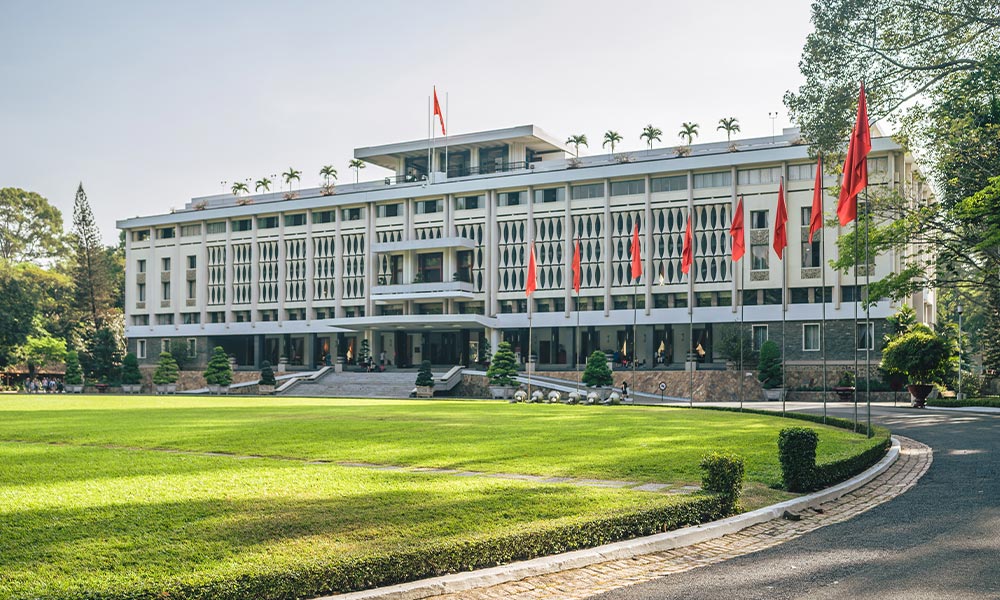
The academic infrastructure in China is second to none globally, and investment is pouring in. Such is the case with Chinese institutions like Tsinghua, which have intelligent classrooms equipped with AI support and high-speed internet. But in 2026, the future looks brighter for China, which is striving to become a leader in developing technologies such as quantum computers and renewable energy. Western institutions are highly esteemed but are often characterized by funding cuts or congestion.
In leading Chinese universities, especially in STEM disciplines, coursework is commonly integrated with applied research and industry collaboration. Students regularly work in AI laboratories, innovation centers, and industry-supported projects, reflecting China’s emphasis on practical skill development rather than purely theoretical instruction.
3. Cultural Immersion and career Exposure
Studying Mandarin alongside your degree will open up Asian markets to you, and the country’s safety, often ranked higher than many Western cities’, means you can have peace of mind. Socially, campuses often have international festivals and clubs for students to engage with, building global networks. The “Belt and Road” initiatives in China differ from the sometimes-isolated experience of Europe or America. Its graduates typically get jobs faster because multinationals need people who can help them understand China.
Graduates who complete degree programs in China while developing Mandarin proficiency often demonstrate stronger employability in multinational companies operating across Asia. Employers increasingly value candidates who combine technical qualifications with an understanding of Chinese business culture and communication practices.
In other words, studying in China is better for those aiming for an affordable, innovative blend with a depth of culture that immerses you in a multi-polar world where the Asia will be the foremost influence.
Validity and Global Recognition of Chinese Universities Degrees
The integrity of Chinese university degrees has been rendered an anachronism, since in 2026, such credentials carry an outstanding global reputation. The best Chinese institutions, viz. Peking and Tsinghua University Beijing, are among the world’s leaders, with Tsinghua ranked as the world’s number one school in Computer Science. According to the Times Higher Education Ranking, 21% of Chinese institutions have improved their positions in the 2026 rankings by enhancing their output and global partnership networks.
The degree format is very similar to the Western model, with their BA, MA, and PhD programs all focused on coursework and thesis writing. The Ministry ensures the quality of its education accreditations and offers education in English, in line with global standards. The quality of the Chinese workforce is sought after by companies around the globe, as they are very disciplined and possess the skills to back it up in technology and engineering, as China is the world leader in patents in this field.
Internationally, the degrees offered by Chinese universities can be checked by bodies such as the Chinese Service Center for Scholarly Exchange, which enhances their reputation. With more than 240 million degrees awarded since 1990, graduates of these universities succeed across the globe, from Silicon Valley to European companies. Though recognition may come second to Harvard University, the skills one acquires, along with exposure to China, make the grade.
China Student Visa Process in 2026
Obtaining a Chinese student visa in 2026 can be accomplished relatively easily for accepted students. For studies beyond 180 days, an X1 visa (or an X2 visa for shorter periods) requires an acceptance letter from an educational institute, a JW202 form, and a valid passport. The aforementioned documents are to be submitted to a Chinese embassy or visa office, along with photos, health certificates, and travel documents.
The process would require 4 to 8 business days, while the cost is about $140 to $235. There is no permitted work, but an internship can be arranged upon arrival. It’s more straightforward than obtaining visas in the U.S. for F-1 study or in Europe for Schengen travel, especially given the no-fingerprinting requirement until December 2026.

Best Majors to Study in China in 2026
In 2026, the following programs in China are highly sought after for their study benefits. Engineering and Computer Sciences lead the charge, with programs like Tsinghua’s offering tracks in AI and Robotics because of the tech boom in China. Medical programs such as MBBS and Traditional Chinese Medicine are in high demand in institutions such as Shanghai Jiao Tong University.
Business & Economics flourish in hubs such as Fudan University of Shanghai, where students learn about China’s market. International Relations & Chinese Language Studies are very culturally enriching, especially when aiming for a diplomatic career. The over 10,000 available English programs in STEM courses ensure effective use of facilities in China, such as innovation labs. Scholarships are also very available in STEM courses.
Will a Chinese degree be accepted in Europe?
Yes, Chinese degrees are widely recognized in Europe because many countries, such as the UK, France, Germany, and Spain, have mutual recognition agreements with China. The Bologna Process has aligned the Chinese qualifications with European standards to facilitate mobility. In the case of professional education, such as engineering, equivalence will be verified by ENIC-NARIC centers.
Graduates from top Chinese universities primarily pursue further studies or jobs in Europe, and Mandarin skills add value. Though employers may have a prefer for local degrees, the growing ties between the EU and China, as seen in trade, are boosting acceptance. Verification through CSCSE ensures credibility.
Studying in China vs Western Countries: Key Differences at a Glance
Below is a 2026 comparison based on tuition fees, living costs, scholarships, academic facilities, and degree recognition. Figures may vary by city and university.
| Factor | Study in China | Western Countries |
| Annual Tuition Fees | $2000 -$10000 for most programs | $30000 -$50000 living costs even in tuition-free countries |
| Monthly Living Costs | $500-$800 (housing, food, transport) | $1500-$2000 in major cities like London or New York |
| Scholarships availability | Chinese Government Scholarship (CSC) covers tuition, housing + stipend (up to 3500 RMB/month) | Limited, competitive, often partial; high student loan dependency |
| Academic Facilities | AI-powered classrooms, smart campuses, advanced research labs | High quality but often congested or facing funding pressure |
| Language and cultural skills | Mandarin proficiency + Asian market exposure | Mainly Western market focus |
| Degree Recognition | Verified via CSCSE; accepted across Europe & globally | Globally recognized |
| Visa Process (2026) | straightforward X1/X2 visa; 4–8 days processing | More complex (F-1, Schengen bureaucracy) |
Updated: 1/5/2026
Figures may vary by city and university.
Conclusion
To this end, studying in China in 2026 is a response to changes in global dynamics. From low tuition fees, high scholarship grants in China, the state-of-the-art academic infrastructure that China has been building, and the degrees issued by top-ranked universities with increasing international reputation, China is a good option since it mitigates the high costs and debts associated with Western education. Beyond academics, the experience immerses one into one of the world’s most vibrant economies, sharpens Mandarin proficiency, and builds invaluable cross-cultural networks-skills that yield a genuine competitive edge in the job market.
With the continued rise in influence for China, these graduates are well-educated but also truly global citizens ready to rise through the ranks in Asia and elsewhere or students evaluating international education options in 2026, studying in China represents a practical, future-oriented choice. Prospective applicants are encouraged to explore program options, scholarship availability, and admission requirements carefully before making a final decision. Contact us for further information about the advantages of studying in China.
1. Is studying in China really much cheaper than in Europe or America?
Yes, it is significantly more affordable. Tuition fees in Chinese universities typically range from $2,000 to $10,000 per year, while living costs in major cities like Beijing or Shanghai average $500–$800 per month (including accommodation, food, and transport). In comparison, tuition in the U.S. can exceed $30,000–$50,000 annually at many institutions, and living expenses in cities like New York or London often surpass $1,500–$2,000 monthly. Generous China scholarships, such as the Chinese Government Scholarship (CSC), can cover tuition and housing and provide a stipend, making high-quality education accessible with little or no debt—unlike the high student loan debt common in Western countries.
2. Are degrees from Chinese universities recognized and accepted in Europe or other Western countries?
Absolutely. Degrees from reputable Chinese universities (especially top-ranked ones like Tsinghua or Peking) are increasingly credible and widely accepted internationally. Many Chinese programs align with global standards, and mutual recognition agreements exist with countries like the UK, Germany, France, and others under frameworks similar to the Bologna Process. For professional fields, verification through bodies like ENIC-NARIC or the Chinese Service Center for Scholarly Exchange (CSCSE) ensures equivalence. While top Western names may still carry more brand prestige in some circles, the practical skills, technical expertise, and Mandarin proficiency gained in China often give graduates a strong competitive edge in global job markets.
3. What is the process for getting a Chinese student visa in 2026, and is it complicated?
The process is relatively straightforward compared to many Western countries. Once accepted by a Chinese university, you’ll receive an admission letter and JW202 form (or JW201 for scholarship holders). Apply for an X1 visa (for studies over 180 days) or X2 visa (for shorter programs) at a Chinese embassy/consulate or visa center with your passport, photos, acceptance documents, and health declaration. Processing usually takes 4–8 business days, with fees around $140–$235. Upon arrival for an X1 visa, convert it to a residence permit within 30 days. It’s less bureaucratic than U.S. F-1 visas in many cases, with fewer interview requirements, though always check official updates for any 2026 changes.

No comment