
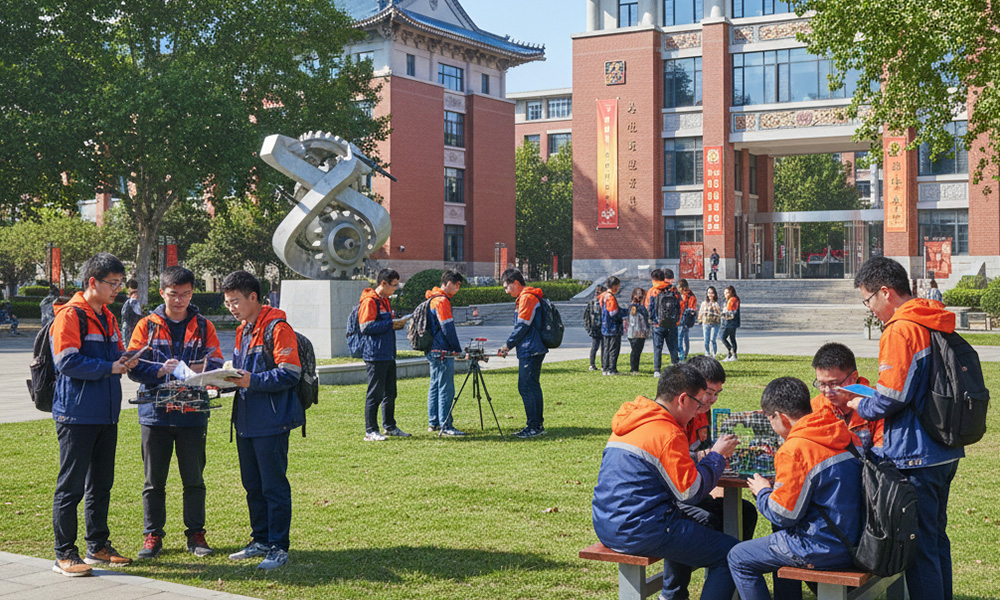
Over the past decade, China has become one of the most practical destinations for students who want a strong engineering degree without the high tuition costs of the US or Europe. As the second largest economy in the world continues to push the boundaries of progress and innovation in terms of technology, Chinese higher education institutions have become the go-to destinations for aspiring engineers from all over the world. In 2026, this matters more than ever, as China continues to lead major projects in artificial intelligence, renewable energy, high-speed rail, and advanced manufacturing—fields where engineering students gain direct exposure to real-world applications.
In this guide from admission institute, we break down the best engineering universities in China for international students, including tuition fees, popular engineering majors, and realistic career outcomes after graduation. Whether you are a high school student looking to map out your future or a professional looking for a career change, it is an opportunity that could lead to exciting possibilities.
QS Ranking of the Best Engineering Universities in China
The QS World University Rankings by Subject for Engineering and Technology is an effective tool for measuring and comparing various universities around the globe. In the 2025 rankings, which are an excellent predictor of 2026 trends, best engineering universities in China
are the most efficient in Asia and occupy very respectable positions globally. For international engineering students, these rankings are useful because they reflect not only academic strength, but also how graduates are viewed by employers and research institutions worldwide. Over the past few years, we have worked closely with international applicants exploring engineering programs in China, helping them compare universities such as Tsinghua, Shanghai Jiao Tong, and Zhejiang based on tuition, admission requirements, and post-graduation outcomes.
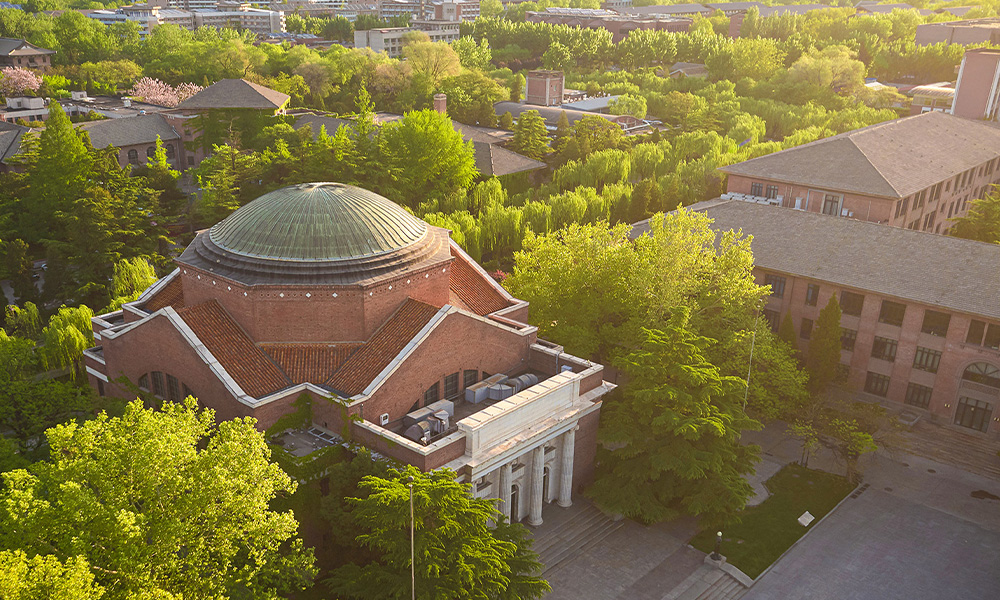
1. Tsinghua University
Leading the pack is Tsinghua University of China in Beijing, ranked 7th worldwide for its Engineering and Technology programs. Known for its excellence in fields like mechanical, electrical, and civil engineering, among others, it is often referred to as “China’s MIT.” For international undergraduate students, the fees range from 30,000 to 40,000 CNY, or around $4,200 to $5,600 USD, annually, depending on the course.
Other expenses include an application fee of 800 CNY, as well as dorm fees starting from 1,000 CNY, or around $140 USD, monthly. Tsinghua’s academic programs are quite challenging, with a focus on research, where students are often engaged in projects that seek to resolve issues like sustainable development.
2. Peking University
Right behind it is Peking University, also located in Beijing, ranked 16th globally. Even though it is famous for its humanities, Peking has also made tremendous progress in engineering, especially in biomedicine and environmental engineering. Peking’s College of Engineering takes an interdisciplinary approach, combining engineering with science for creative problem-solving. Tuition fees are about the same for international students, around 30,000 CNY, but there are also scholarship opportunities for outstanding students.
Peking’s campus, with its beautiful traditional Chinese buildings, is a wonderful combination of old and new, making it a suitable option for students who prefer an interdisciplinary approach that combines engineering with science and research-oriented studies.
3. Shanghai Jiao Tong University
Ranking 27th globally, Shanghai Jiao Tong University (SJTU) is highly regarded in the fields of mechanical and naval architecture engineering. Situated in the midst of the busy metropolis of Shanghai, this university is close to many corporate houses and thus provides ample opportunities for internships. The Antai College of Economics and Management frequently partner with engineering colleges.
The tuition fees for international undergraduate students range from 25,000-35,000 CNY annually, with an additional 5,000 CNY for lab and other materials. Shanghai Jiao Tong University is particularly attractive for students who want strong industry exposure, as its engineering programs maintain close links with manufacturing, automotive, and technology companies based in Shanghai.4. Zhejiang University
Zhejiang University, located in Hangzhou, ranks 36th in the world, recognized for its excellence in chemical and electrical engineering. This university is particularly notable for its cutting-edge research in robotics and materials science, with infrastructure comparable to that of top-tier Western universities. The engineering undergraduate program has a tuition fee of around 25,000 CNY per year, which is relatively reasonable compared to the other top universities. Zhejiang University’s campus located around West Lake is a beautiful setting for learning, which is quite different from the tech-oriented atmosphere of its courses.
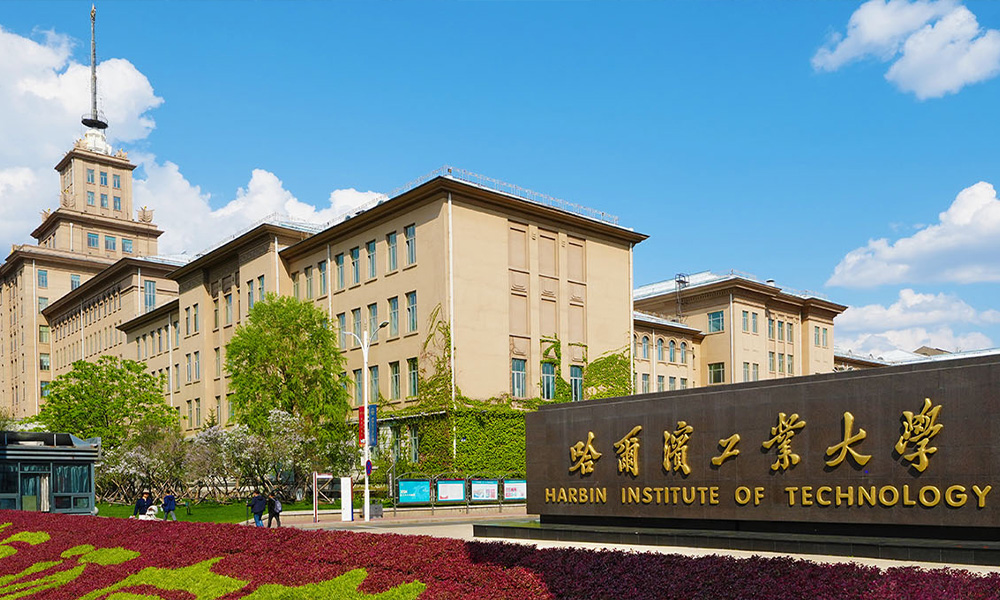
5. Harbin Institute of Technology
Another gem is Harbin Institute of Technology (HIT), located in Heilongjiang Province. It is ranked as one of the top two engineering universities in China by US News & World Report. HIT is a top aerospace and robotic engineering school that has helped develop China’s space program, including the Chang’e missions to the moon. Tuition fees for international students are 20,000 to 30,000 CNY annually, but there are full scholarships for qualified students. However, the weather may not attract students who are not accustomed to cold climates, but the availability of new technologies may be a plus.
6. Huazhong University of Science and Technology
Huazhong University of Science and Technology (HUST) in Wuhan is also strong in optical and mechanical engineering. HUST is known for its research achievements and has collaborations with overseas institutions such as the University of Manchester. The engineering courses have a relatively low tuition fee of 25,000 CNY per year, and dormitories are affordable, ranging from 800 to 1,200 CNY per month.
7. The University of Science and Technology of China
The University of Science and Technology of China (USTC) in Hefei is also very strong in quantum computing and nanotechnology. It ranks well in international rankings. The tuition fee is also relatively low at 26,000 CNY per year.
8. Other Universities
While Fudan University in Shanghai is more business-focused, it has a good program in materials engineering and its fees are approximately 23,000 CNY.
Rounding out the top tier are Xi’an Jiao Tong University and Tianjin University, with fees in the 20,000-30,000 CNY range.
These are just some of the top universities in China and reflect the country’s investment in education, with many programs available in the English language to encourage global students.
Comparison of Top Engineering Universities in China for International Students
The table below compares the best engineering universities in China based on academic strength, Tuition Fees of Engineering Universities in China for International Students, and career outcomes for international students in 2026.
| University | Global Engineering Strength | Best Engineering Fields | Annual Tuition (CNY) | Ideal For Which Students | Career Outcomes |
| Tsinghua University | QS Top 10 (Engineering & Technology) | Mechanical, Electrical, AI, Civil | 30,000–40,000 | Research-oriented students aiming for PhD or global careers | Strong placement in R&D, tech giants, and international research labs |
| Peking University | QS Top 20 | Biomedical, Environmental, Materials | ~30,000 | Students seeking interdisciplinary engineering + science | Research institutes, policy-linked tech roles |
| Shanghai Jiao Tong University | QS Top 30 | Mechanical, Naval, Industrial Engineering | 25,000–35,000 | Industry-focused students wanting internships | High employment in manufacturing, automotive, and multinational firms |
| Zhejiang University | QS Top 40 | Chemical, Electrical, Robotics | ~25,000 | Students balancing affordability and research quality | Strong outcomes in tech startups and applied research |
| Harbin Institute of Technology | Top Engineering (US News) | Aerospace, Robotics, Automation | 20,000–30,000 | Students interested in space, defense, and robotics | Government projects, aerospace firms, advanced manufacturing |
| USTC | Research-Intensive | Quantum, Nanotechnology, CS | ~26,000 | High-achieving students focused on advanced science | Research labs, PhD tracks, emerging tech sectors |
Last updated: 2/5/2026

Engineering Majors in China for international students
Engineering majors in China are designed around the country’s real industrial needs, which means students often study technologies that are already being applied in large-scale infrastructure, manufacturing, and energy projects. Some popular fields are mechanical engineering, which deals with the design and manufacturing process, sometimes involving AI and automation. Electrical engineering is also on the rise due to the development of smart grids and electronic devices. Civil engineering deals with the construction of high-speed rail networks and megacities.
Computer science and software engineering are the hotspots, thanks to the tech hubs in Shenzhen and Beijing. Aerospace engineering is also thriving, especially in universities like HIT, due to the country’s space program. Chemical engineering focuses on green technologies, and biomedical engineering combines technology with medical advancements.
Universities also offer interdisciplinary majors in specific fields, such as environmental engineering in green tech or robotics in Industry 4.0.
The programs usually last four years, with hands-on projects and internships being mandatory.
Admissions to the programs depend on a student’s math, science, and language skills in Chinese or English.
With over 86 programs in English available, international students have a wide range of choices in the bachelor’s programs on offer.
Job Opportunities for Engineering Graduates in China
Engineering graduates from Chinese universities often enter a job market that actively recruits talent in sectors such as new energy vehicles, automation, and high-end manufacturing. China’s growing economy, expected to continue its steady growth in 2026, needs engineers in the NEV, high-end manufacturing, and AI industries. Companies like BYD, CATL, and DJI are hiring top graduates with salaries ranging from 15,000-25,000 CNY per month for fresh graduates.
Foreign engineers can find job opportunities in the NEV and manufacturing industries. State-owned enterprises like China Railway and Sinopec offer job opportunities for engineers in the infrastructure sector. Technology companies in Beijing and Shanghai are hiring software engineers for fintech and e-commerce platforms.
Fields such as clean energy and semiconductors have high growth potential, along with government incentives. Interning during college can lead to full-time positions, and work visas are available for graduates who are qualified. Employment rates are above 90% for engineering graduates, indicating high demand. Based on insights gathered from advising international students and reviewing recent admission trends, engineering programs in China continue to balance affordability with high research output and industry relevance.
conclusion
In 2026, China’s top engineering universities combine strong research output with relatively affordable tuition, making them a realistic option for students who want quality education without excessive financial pressure.Institutions like Tsinghua University, Peking University, Shanghai Jiao Tong University, and Zhejiang University continue to lead with world-class programs in fields from AI and robotics to sustainable energy and aerospace. With international student fees often ranging from $4,000 to $9,000 USD annually—far below Western equivalents—these schools offer exceptional value alongside hands-on innovation and strong scholarship opportunities.
Graduates step into a thriving job market fueled by China’s technological boom, securing roles in high-demand sectors like new energy vehicles, semiconductors, and smart manufacturing, often with competitive salaries and rapid career growth. For students who prioritize practical skills, exposure to large-scale engineering projects, and long-term career opportunities in Asia’s fastest-growing industries, studying engineering in China can be a strategic decision. Contact us for additional information and expertise consultation.
FAQs:
1. What is the top-ranked engineering universities in China according to QS rankings, and how do their tuition fees compare for international students?
The leading institutions include Tsinghua University (ranked 7th globally in Engineering & Technology 2025), Peking University (16th), Shanghai Jiao Tong University (27th), and Zhejiang University (around 36th in recent data). Tuition for international undergraduates in engineering programs typically ranges from 20,000 to 40,000 CNY per year (about $2,800–$5,600 USD), with Tsinghua often at the higher end ($4,200–$5,600) and others like Zhejiang or Harbin Institute of Technology more affordable ($3,000–$4,200). These fees remain significantly lower than comparable programs in the US or Europe, plus many offer scholarships.
2. Which engineering majors are most popular and in demand for international students studying in China?
Popular majors include mechanical engineering, electrical and electronic engineering, computer science/software engineering, civil engineering, aerospace engineering, chemical engineering, and emerging fields like robotics, artificial intelligence, biomedical engineering, and environmental/sustainable engineering. Many top universities provide English-taught options, especially in tech-heavy disciplines aligned with China’s strengths in AI, new energy vehicles, and high-speed infrastructure. Programs emphasize hands-on projects, internships, and research to prepare students for global industry needs.
3. What job opportunities await engineering graduates from Chinese universities in 2026?
Graduates enjoy strong prospects in China’s booming sectors, including new energy vehicles (NEVs), semiconductors, high-end manufacturing, clean energy, AI, and smart infrastructure. Employment rates often exceed 90%, with starting salaries for fresh graduates around 15,000–25,000 CNY monthly (higher in tech hubs like Beijing, Shanghai, or Shenzhen). Major employers include companies like Huawei, BYD, CATL, DJI, and state-owned enterprises in railways or energy. Foreign graduates can access roles in R&D, project management, and innovation, supported by work visas and industry partnerships formed during studies.

No comment