
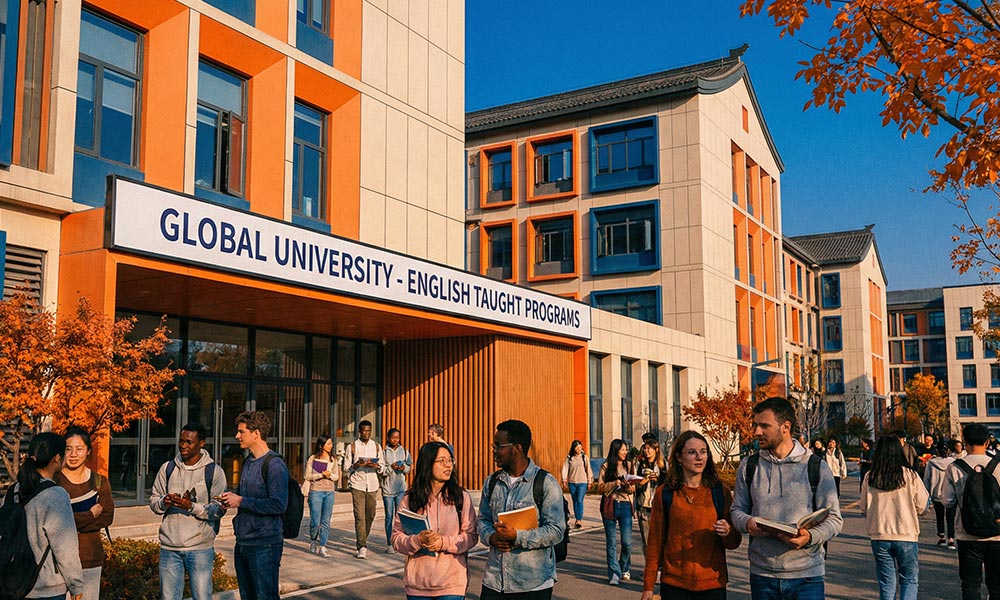
As the world gets smaller, studying abroad has become a rite of passage for any serious student. China, with its rapid economic growth and rich cultural heritage, has become a strong force in international education. From state-of-the-art research equipment to much more affordable tuition, studying at an English-taught university in China means world-class education paired with experiences in one of the most exciting societies on Earth.
for students who worry about language barriers in Chinese, the good news is that the best English-taught universities in China nowadays offer fully English programs, so international students can dive into studying without having to master Mandarin from day one. English-taught universities in China in 2026 offer internationally recognized degrees, affordable tuition, and complete English instruction across medicine, engineering, and business—making China one of the most cost-effective study-abroad destinations worldwide.
According to the China Ministry of Education, there’s also a continuous influx of international participants into English-medium universities in China due to their high-quality cost-friendly ratio. This article from Admission Institute will cover the meat of the matter, including focus fields such as medicine, application procedures and tuition fees of English-taught universities in China.
Study MBBS in English in China 2026
For people aspiring to become medical professionals, China offers a fascinating opportunity in medical education, particularly in English-medium MBBS, (Bachelor of Medicine, Bachelor of Surgery) courses. By 2026, these courses will have further increased in popularity among overseas students, owing to their alignment with international norms and recognition by international agencies such as the World Health Organization (WHO).
The remarkable aspect about these courses is the integration of theoretical knowledge, clinical experience, and knowledge about Western and traditional Chinese medicine practices in China. This allows medical professionals to practice anywhere in the world, while the costs will be, of course, lower compared to anywhere else in the world.
| University | City | Program Duration | Annual Tuition (USD) | Key Highlights |
| Shantou University Medical College (SUMC) | Shantou | 5 Years | 6,186 | Strong international collaborations, early clinical exposure |
| Nanjing Medical University | Nanjing | 6 Years | 5,252 | Limited intake, top-affiliated hospitals |
| Zhejiang University School of Medicine (ZUSM) | Hangzhou | 6 Years | 6,619 | Research-focused, innovation-driven curriculum |
| Shanghai Medical College (SHMC) | Shanghai | 6 Years | 11,598 | Advanced urban hospitals, overseas internship options |
| Guangzhou Medical University (GMU) | Guangzhou | 6 Years | 4,639 | Affordable tuition, international-friendly campus |
| Capital Medical University | Beijing | 6 Years | 7,732 | Strong research base, global exchange programs |
| Tongji University School of Medicine (TUSM) | Shanghai | 6 Years | 6,959 | Ethical training, global clinical rotations |
| Jinzhou Medical University | Jinzhou | 6 Years | 5,412 | Budget-friendly, wide hospital internship access |
Last updated: 1/1/2026
The universities listed above represent some of the best English-taught MBBS programs in China for international students in 2026, balancing affordability, global recognition, and clinical exposure.
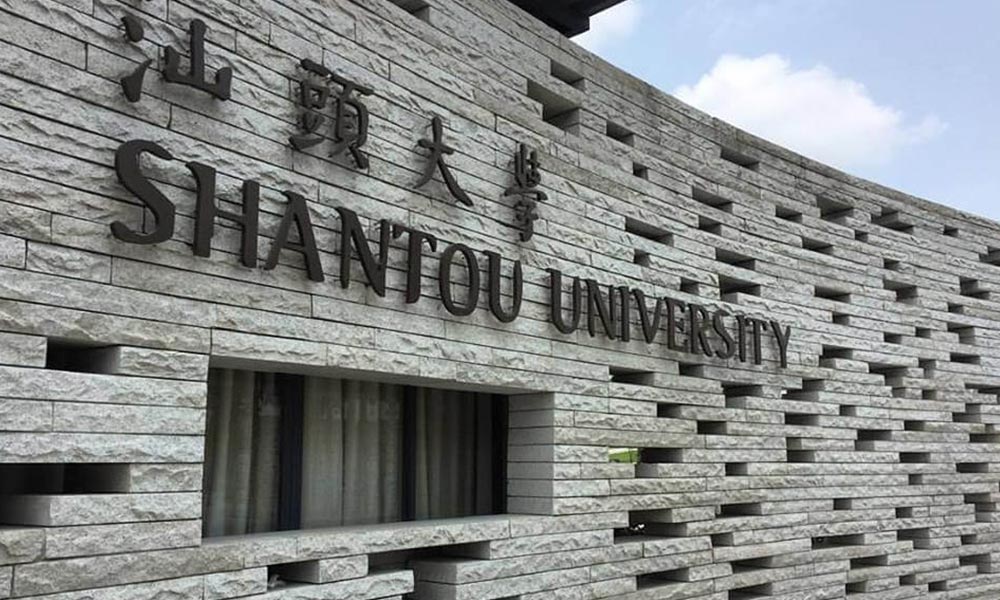
1. Shantou University Medical College (SUMC)
One of the standout medical schools is the Shantou University Medical College (SUMC). The school is based in Guangdong province, and the MBBS course offered there is five years. The initial education is preclinical, which happens in the first phase of education, after which they proceed to clinical rotations.
The school utilizes the collaboration of overseas universities such as the University of Alberta and Stanford through virtual learning software and virtual medical centers. The school charges a reasonable tuition of about US$6,186 per year. The admission process is quite straightforward, requiring good health, language proficiency, a passport, and a squeaky-clean personal track record.
2. Nanjing Medical University
Nanjing Medical University, found in the city of Nanjing, is another prestigious option that also provides education over a period of six years, tightly limiting admission to 100 students each year. The course runs from basic studies to clinical internships conducted at affiliated hospitals such as the First Affiliated Hospital of Nanjing Medical University. The tuition costs about US$5,252 each year, and the requirements are that the student be 18 to 25 years old, have good grades, and be in good health.
3. ZUSM
Also, ZUSM is located in Hangzhou; it offers a six-year MBBS divided into pre-med, pre-clinic, and clinic stages, culminating in a supervised internship. At US$6,619 per year, it’s competitively priced, and the emphasis on research in this program makes it attractive for those interested in innovation. The applicant must be aged between 18 and 25 years, in good health, and academically outstanding.
4. SHMC
In Shanghai, SHMC is one of the most outstanding for its urban atmosphere and very high tuition fees, which amount to US$11,598 annually, showing just how prestigious it is. This six-year course provides for the opportunity to intern either in China or overseas, and students demonstrate their proficiency in English through IELTS or TOEFL. It is ideal for anyone looking for exposure to advanced facilities in its affiliated hospitals, such as the Shanghai Cancer Center.
5. Guangzhou Medical University
Guangzhou Medical University, GMU, is affordable at US$4,639 per year for its six-year program from high school graduation with good health. The campus accommodates a friendly community for international learners.
6. Capital Medical University of Beijing
Capital Medical University of Beijing, with fees of US$7,732, offers a pre-med foundation, with exchanges between more than 20 countries. The curriculum structure is in six years and focuses on research in traditional Chinese medicine.
7. TUSM
The Shanghai-based TUSM charges US$6,959 for its six-year MBBS. It also offers global rotations and ethical training. The minimum requirement, in this case, includes IELTS or TOEFL for non-native speakers.
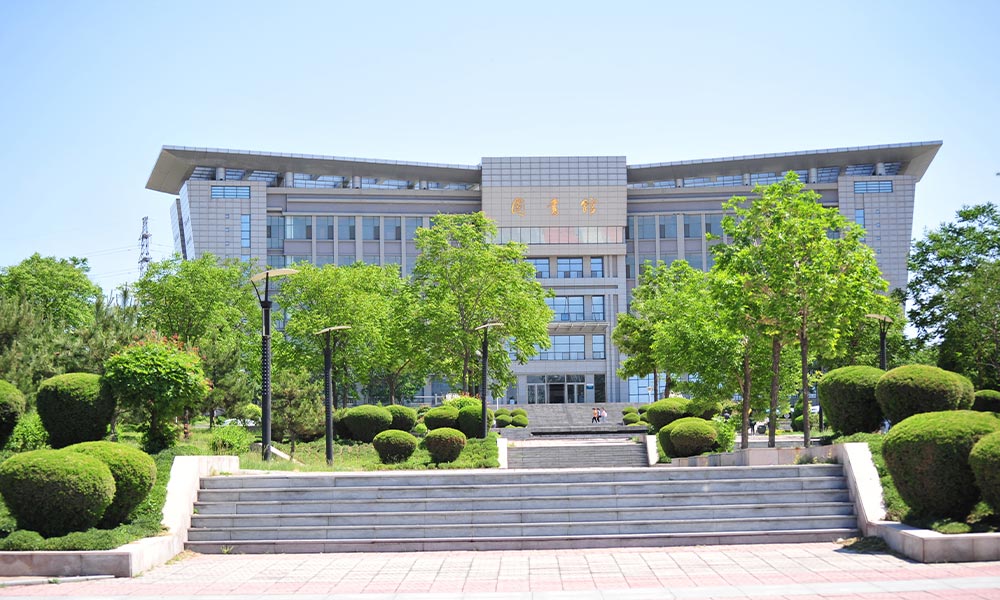
8. Jinzhou Medical University
Last but not least, Jinzhou Medical University offers affordability at US$5,412 per year with internships offered through all its affiliated hospitals. The application requirements are similar to those of others: aged between 18 and 25, a high school graduate, and no criminal record.
These best English-medium universities in China for medicine not only offer a top-notch educational experience but will also assist students in preparation for licensing exams such as the USMLE or PLAB. As the healthcare industry in China develops at such a rapid pace, it should not come as a surprise to note that students can readily pursue career avenues across the Asian continent and internationally as well.
Nevertheless, it is important to keep in mind that though the tuition is low, generally remaining beneath the tuition fees of English-taught universities in China which average $5,000-10,000, it is no trivial pursuit, particularly for enhanced expertise in a multicultural environment.
Admission Requirements for English-Taught Universities in China
Applying to English-medium universities in China may appear complicated, but the procedure is actually quite uncomplicated in relation to those of Western countries. In the vast majority of higher education institutions in China, aptitude as well as eligibility standards rank more highly above the highly competitive entrance exams, such as the SAT. For the 2026 intakes, the application dates will open in the fall of 2025.
1. Undergraduate
For bachelor’s courses, the basic requirement is a high school diploma or equivalent qualifications like ‘A’ levels or Year 12 finish. The student must be at least 18 years old for most courses; for undergrad students, the age limit for application could be set at 25 years. The most important criterion for language would be language proficiency, since these are English-medium universities in China. There must not be an ‘HSK’ or Chinese language test for international students; this would eliminate one significant problem. Health checks or entrance exams could be an additional criterion for courses like medicine.
2. Master’s
For Master’s programs, applicants must hold a bachelor’s degree and have at least two letters of recommendation from lecturers. For courses, English exams are required unless exempted. The number of years studied is typically 2-3 years, in which GPAs are considered but not highly competitive ones. Specialized programs such as medical courses require additional standards such as age restrictions (18-25 for MBBS) and excellent grades.
3. Documents
Application documents consist of transcripts, a copy of the passport, a statement of Purpose, and, at times, a resume. Accessing CUCAS or institution sites simplifies the process. Scholarship grants, for example, CSC, can fund tuition but rerquire different applications that include essays describing why one wants to study in China. Accessing English-taught institutions in China requires relatively straightforward admission, so states China Admission Guide. Take, for example, Tsinghua University; they require Fluency in English, but sister offices at institutions assist foreign students.
One tip: Apply early since visa application procedures are after the acceptance. With adequate preparation, it is possible to gain a spot among the best English-taught universities in China, which paves the way for a life-enriching experience.

Comparison of Studying in China and Europe
When considering options for further education in a foreign land, the prospects in China and the European continent provide a paradoxical attraction to students abroad. The European continent has traditionally had globally recognized academic institutes in places such as Oxford or Sorbonne. China, however, is not far behind in the modern infrastructure and economic development aspects, and the costs are lower too. We shall consider these aspects below:
1. Cost Effectiveness
First, there are costs involved: The tuition in China is comparatively cheap. The tuition fee for English language courses at top institutions like Tsinghua University ranges between 4,000-6,000 USD, while it costs between 300-28,000 Euros in Europe, with Germany being comparatively cheap at 300 Euros, but the UK costing 20,000+.
The cost of living in China, with hostels for $150-300 per month and meals for less than $3, can be considered cheap, compared to Europe, where accommodations will run well over $1,000 per month in London, and meals are costly too. The scholarships in China, including CSC, provide complete support, including stipends, while European scholarships can be partial. In practice, many international students report that actual monthly living expenses in China are lower than initial estimates. Based on feedback from enrolled students, most were able to live comfortably on $350–$500 per month in cities like Nanjing and Hangzhou, including accommodation, meals, and transportation.
2. Quality Education
Quality of education differs depending on one’s viewpoint. European models have well-established institutions that focus on problem-solving and smaller classes. China focuses heavily on STEM and production of scholarly peers in terms of publishing in peer-reviewed articles, overtaking the US in that aspect. Ranking indicates that Tsinghua University Beijing, ranks at number 25 worldwide. China could possibly have a bigger class size and less focus on debates on controversial subjects.
3. Career Prospects
Career prospects favor China for Asia-related work. With the rise of the Belt and Road, students benefit from lucrative industries such as AI and fintech, along with relaxed work visas. Europe provides a stable market with a strict work permit following Brexit agreements for the UK.
4. Safety
Safety is a major advantage for China, which is crime-free and has efficient transport systems. Europe is also a very secure continent, though there have been increased attacks against foreigners.
5. Culture
China, an environment of rapid change and Asian connections, can be perfect for language students, though English courses keep things simple. Europe: Opportunities for varied histories and seamless travel within the continent, but people from outside can experience stronger effects of culture shock.

5. Degree recognition
The quality of degrees from Fudan and Zhejiang universities is recognized all over the world, and especially within the high-tech sector, whereas European degrees are recognized for an extended period.
Ultimately, if price and expansion are what get you pumped up, China nudges ahead; for culture and work-life balance, Europe reigns supreme. Students find English-taught universities in China very clever and highly optimistic.
Several applicants who initially considered Europe ultimately chose China after realizing that English-taught programs in China offer similar academic recognition at nearly one-third of the total cost. For students prioritizing affordability and international exposure over campus tradition, China proved to be the more practical option.
Conclusion
In 2026, English-taught universities in China offer an exceptional opportunity for international students to access world-class education without the barrier of language. From prestigious MBBS programs at institutions like Nanjing Medical University and Zhejiang University of Hangzhou to diverse undergraduate and postgraduate degrees at Tsinghua and Peking, these programs combine academic rigor, modern facilities, and global recognition at remarkably affordable tuition fees—often a fraction of Western alternatives.
Compared to Europe, China delivers superior value, dynamic career prospects in Asia’s fastest-growing economy, and a safe, culturally immersive experience. Choosing an English-taught program in China is not just a degree; it’s a strategic step toward a truly global future. If you’re looking to study in the Best English-taught universities in China, contact us.
FAQS:
1. Can I really study entirely in English in China, and do I need to learn Chinese?
Yes — thousands of programs across bachelor’s, Master’s, PhD, and specialized fields like medicine (MBBS) are fully taught in English, especially at top institutions such as Tsinghua, Peking, Fudan, and Zhejiang University. No prior Chinese (Mandarin) knowledge is required for admission to these programs. While basic Chinese helps with daily life, shopping, and clinical rotations (in medicine), many universities will offer free or elective Chinese language courses. Cities like Beijing, Shanghai, and Hangzhou are increasingly international, so English works well on campus and in expat areas.
2. Are degrees from English-taught programs in China internationally recognized?
Absolutely. Degrees from accredited Chinese universities are recognized worldwide, with many listed in the World Directory of Medical Schools (for MBBS) by the WHO and respected by bodies like UNESCO. Top programs align with global standards, and graduates successfully pursue licensing exams (e.g., USMLE, PLAB, or NMC for India) or further studies abroad. Prestigious institutions like Tsinghua and Peking rank highly in global QS and Times Higher Education rankings, ensuring strong employer recognition — especially in Asia, tech, engineering, and healthcare fields.
3. What are the typical admission requirements and costs for English-taught programs in 2026?
Requirements are straightforward and student-friendly: a high school diploma (or equivalent) for bachelor’s, a relevant bachelor’s degree for Master’s/PhD, proof of English proficiency (IELTS/TOEFL if not a native speaker or prior English-medium study), a passport, transcripts, and sometimes recommendation letters or a personal statement. Age limits often apply (e.g., 18–25/30 for undergrad). Tuition is highly affordable — averaging $4,000–$10,000 USD per year (much lower than Europe or the US), with living costs around $300–$600/month. Scholarships like the Chinese Government Scholarship (CSC) can cover full tuition, accommodation, and stipends — apply early for the best chances! Note: Some undergrad programs may require the new CSCA exam in 2026; check your target university.



No comment